
News
How Do You Style 10Mm Amethyst Clear Quartz Smoky Quartz Bracelet for Everyday Wear?

Shop this QZENI crystal bracelet with Clear Quartz, Smoky Quartz, Amethyst. Gift-ready natural stone jewelry with symbolic meaning and sizing help.
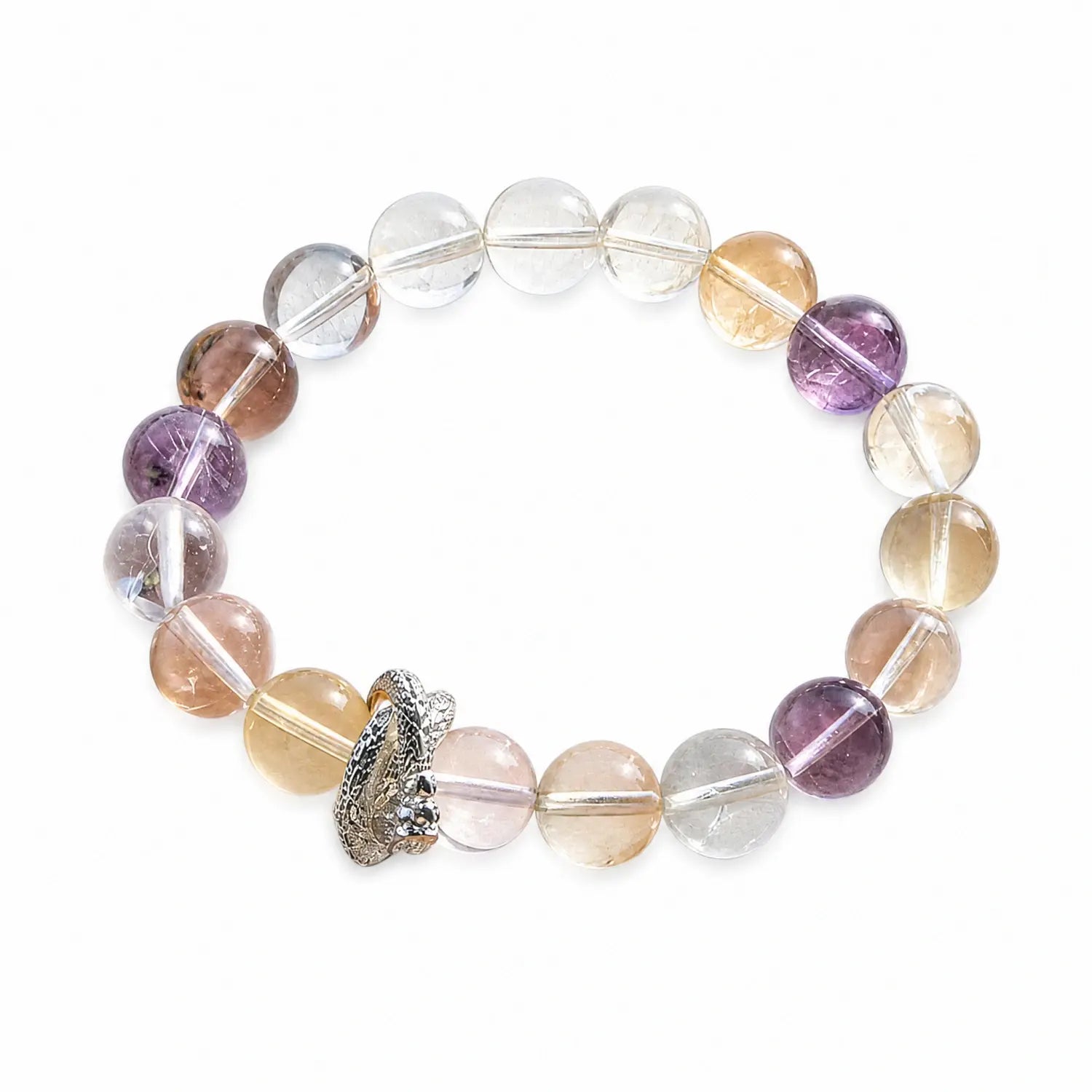


How Do You Style 10Mm Amethyst Clear Quartz Smoky Quartz Bracelet for Everyday Wear?
What should you check before buying?
- Look at sizing, material notes, and finish.
- Compare close-up images with lifestyle photos.
- Choose a piece that feels easy to wear more than once a week.
How should you use it in real life?
For a clean everyday look, keep the outfit simple and let the color, shape, or finish do the work.
How does this compare with similar options?
Compare the details that affect everyday use first: size, material, comfort, finish, maintenance, and how naturally it fits into your routine. A product can look great in a photo but still miss the mark if it does not solve the practical problem you had in mind.
It also helps to compare close-up images with lifestyle shots. Close-ups show texture and construction, while lifestyle images make it easier to understand scale, color, and how the product feels in a real setting.
Who is this best for?
This is a good fit for shoppers who want something useful without making the buying process complicated. Look for the details that match your normal week, not just a one-time occasion.
If you are shopping for a gift, think about versatility first. Products that are easy to use, easy to style, or easy to fit into a routine tend to feel more thoughtful because they do not ask the recipient to change their habits.
What questions should you ask before checkout?
- Will this work with the way I already dress, decorate, travel, work, or live?
- Are the size, material, and care details clear enough?
- Do the photos show the product from enough angles?
- Is there a related item that would make the purchase more complete?
Where should you go next?
If this feels right, browse related pieces at Qzeni and compare details before you choose.
How do you know if it fits your routine?
The easiest way to judge a product is to picture where it fits in a normal week. Think about when you would reach for it, what problem it solves, and whether it makes an outfit, room, routine, setup, or gift feel easier to complete. If the answer is specific, the product is more likely to be useful after the first impression wears off.
For online shopping, this matters because product photos can create excitement quickly, but daily usefulness is what makes people keep and recommend the item. Look for details that connect the product to real life: sizing, materials, care notes, compatibility, comfort, storage, or styling suggestions.
What details are worth checking twice?
Before checkout, slow down and check the practical details that are easy to miss. The most common issues usually come from size, color, material, setup, care, or expectations that were not clear from the first photo. A strong product page should help you answer those questions without guessing.
If the item is a gift, also think about versatility. The safest choices are usually pieces that work with more than one style, space, routine, or occasion. That is why neutral colors, simple care instructions, adjustable sizing, and clear use cases tend to perform well with US shoppers.
How should you compare similar products?
When two products look close, compare the details that affect repeat use. One option may have better materials, while another may be easier to style, clean, carry, store, or set up. The better choice is not always the most dramatic one; it is often the one that removes friction from everyday life.
Lifestyle images are especially useful here. Close-up photos show finish and construction, while lifestyle photos show scale and context. Reading both together gives you a more realistic idea of what will arrive and how it might fit your day.
What makes the purchase feel more complete?
A helpful next step is to compare related products from Qzeni. Related items can reveal different sizes, colors, materials, or use cases that make the final choice easier. They also help you build a more complete look, setup, routine, or gift without starting the search from scratch.
If you are still deciding, browse Qzeni and look for the option that answers the most practical questions for your situation. A good purchase should feel clear before you buy it, not only exciting in the first photo.
What should you remember before buying?
For a clean everyday look, keep the outfit simple and let the color, shape, or finish do the work. Keep the decision grounded in what you actually need, then use the product details to confirm the fit. That balance keeps the article useful for search readers and keeps the buying decision from feeling rushed.
The best product pages make comparison simple. They show the item clearly, explain the details plainly, and help you understand why one option might fit your life better than another.
How do photos help you make a better choice?
Photos do more than make a product look attractive. They help you understand scale, texture, color, proportion, and how the item behaves in a real setting. A polished main image is helpful, but the supporting images often answer the practical questions that matter most before checkout.
When you review product images, look for at least one clean close-up and one lifestyle image. The close-up gives you detail; the lifestyle photo gives you context. If both tell the same story, the product is easier to trust and easier to imagine in daily use.
What makes a product page feel trustworthy?
A trustworthy product page usually answers simple questions without making the shopper hunt for them. Materials, sizing, care notes, shipping expectations, return policy, and realistic photos all reduce uncertainty. That does not just help conversions; it also makes the article more useful for Google search readers.
For shoppers in the US, clarity matters. People want to know what they are getting, how it fits into their routine, and whether it solves a real need. A strong article should connect the product details to those everyday concerns instead of repeating generic marketing language.
How can you decide between style and practicality?
Style gets attention, but practicality keeps the product in rotation. The best choice usually sits between the two: attractive enough to feel special, but simple enough to use often. That balance is especially important when shoppers are comparing similar products across several independent stores.
If you are unsure, choose the option that creates the least friction. Easy sizing, flexible styling, simple setup, clear care, and strong product photos all make a product easier to buy with confidence.
What are good signs this is giftable?
A giftable product should be easy to understand quickly. The recipient should not need a long explanation to see why it is useful, thoughtful, or enjoyable. Clear presentation, versatile use, and a polished visual story all help a product feel more gift-ready.
It also helps when the product works for more than one occasion. Birthdays, holidays, thank-you gifts, self-care moments, home refreshes, travel plans, and everyday upgrades all create different reasons to buy. A good blog article should help the reader see those reasons naturally.
How should you think about value?
Value is not only about the lowest price. It is about how often the item will be used, how well it solves the intended problem, and how confident the buyer feels after reading the details. A product with clear information and realistic photos often feels more valuable because it reduces guesswork.
Before deciding, compare the product with the closest alternatives. Look at materials, features, size, styling options, and the store's supporting information. The right choice should feel practical, not just persuasive.
Why does context matter for SEO shoppers?
Search visitors often arrive with a specific question. They may want to know how something fits, how it compares, what it pairs with, who it is for, or whether it is worth buying. A strong blog post should answer those questions in plain language and then guide the reader toward relevant products.
That is why context matters. Instead of repeating a product title, the article should explain real use cases, buying considerations, and next steps. This makes the content easier to read, more helpful for shoppers, and stronger for search engines that reward useful pages.
What should you do if you are still unsure?
If you are still comparing options, step back and name the main reason you wanted the product in the first place. Maybe you need a better daily essential, a thoughtful gift, a cleaner setup, a more comfortable routine, or a small upgrade that makes the day feel easier. Once the reason is clear, the product details become easier to judge.
From there, compare the item against that reason instead of comparing every possible feature. The right product should answer the original need clearly. If it also looks good, feels easy to use, and has enough supporting information, it is a stronger candidate for checkout.
How can related products help the final decision?
Related products are not just filler links. They help shoppers understand the range of options available in the same store. A related item may show a different size, color, material, function, or price point that makes the original choice easier to evaluate.
For an independent store, these internal links also create a better browsing path. Readers can move from education to comparison to purchase without leaving the site. That makes the blog more useful for shoppers and gives search engines clearer signals about how products connect.
What is the smartest next step?
One more practical way to make the choice easier is to compare the product against the moment you expect to use it. A daily item should feel simple to reach for, easy to understand, and clear enough that you do not need to keep rereading the product page before making a decision.
For search readers, this kind of detail matters because it turns a product mention into a useful buying guide. The article should help someone understand fit, styling, care, compatibility, gifting, and next steps in plain language before they move from reading to shopping.
That is also why internal links should feel natural. Related products give the reader a path to compare colors, sizes, materials, functions, or gift options inside the same store, which improves both the shopping experience and the overall SEO structure of the site.
One more practical way to make the choice easier is to compare the product against the moment you expect to use it. A daily item should feel simple to reach for, easy to understand, and clear enough that you do not need to keep rereading the product page before making a decision.
What else should you pair it with?
These related picks make it easier to build a complete look without overthinking the details.
 10mm Clear Quartz & Sunstone Bracelet
 10mm Clear Quartz & Strawberry Quartz Bracelet
 10mm Clear Quartz & Smoky Quartz Bracelet
 10mm Clear Quartz & Gold Sheen Obsidian & Obsidian Bracelet